
OpenAI Partners with US Dept of War: What It Means for AI
OpenAI's new agreement with the US Department of War marks a turning point in AI applications, raising questions about ethical use, security, and how developers can adapt. Discover the impact on tech tools and productivity workflows.
Introduction: What This Means for Users
OpenAI, led by CEO Sam Altman, has entered a noteworthy partnership with the US Department of War, agreeing to deploy advanced AI models within their classified network. This decision, announced on February 28, 2023, comes shortly after the Department of War ceased using Anthropic AI, a competing technology provider. What does this monumental decision mean for developers, organizations, and regular tool users?
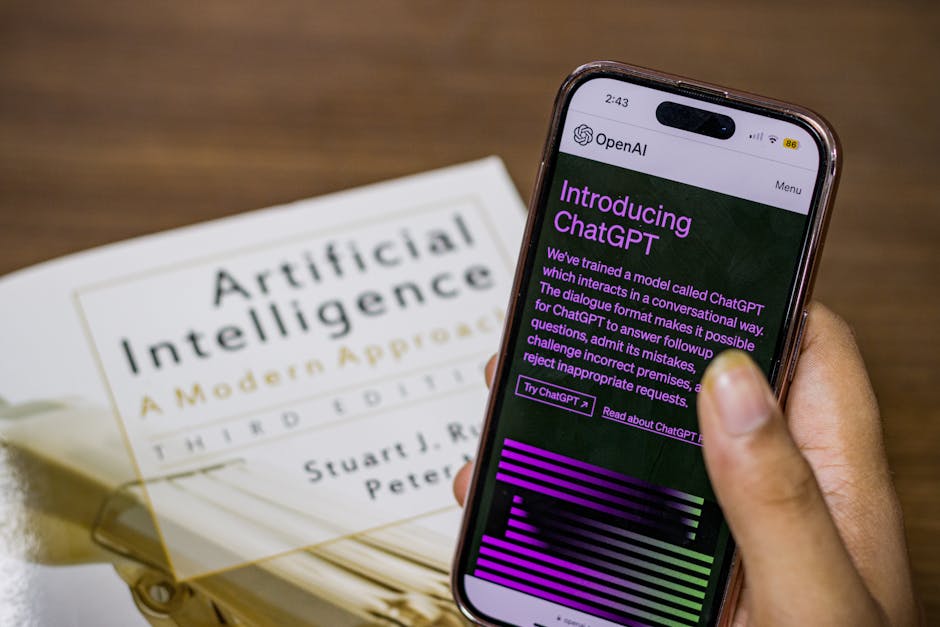
At Toolify Studio, a platform housing 283+ functional online tools, we’re keenly observing how this partnership reshapes the world of AI-powered tools and their applications. This article dives into the implications for technology enthusiasts, developers, and organizations, while also highlighting how Toolify Tools can help users adapt to these changes.
Understanding the Technology
The collaboration between OpenAI and the US Department of War highlights the growing reliance on AI tools for defense and security purposes. OpenAI’s models, such as GPT-4, are now being integrated into secure networks to enhance processes involving decision-making, simulations, and data analysis. Let’s break this down:
- Key Point 1: OpenAI’s GPT models are designed to process massive datasets, making them invaluable for classified military applications like threat detection and operational simulations.
- Key Point 2: The shift from Anthropic AI to OpenAI suggests a preference for tools with greater customization capabilities and proven reliability in high-stakes environments.
Such developments reaffirm the importance of ethical AI use and balancing innovation with security. Developers and tool enthusiasts must also consider how these advancements may lead to new benchmarks for AI-powered applications in other industries.
Impact on Developers and Tools
This news has ripple effects across the tech ecosystem, particularly for developers and organizations leveraging AI in their workflows. At Toolify Studio, we believe this is a call to action for developers to focus on building adaptable and secure solutions.
For Individual Developers
For solo developers, this partnership signals the increasing demand for cutting-edge AI skills. Whether you’re working on a chatbot, data analysis tool, or cybersecurity system, keeping up with advancements in AI models like OpenAI’s GPT series is crucial. Toolify Studio’s AI Writer can help developers prototype and refine content-driven applications.
For Teams and Organizations
For larger organizations, the transition to more sophisticated AI systems emphasizes the need for team-level tools and strategies. Collaborative AI tools, such as Toolify Studio’s AI Chatbot, enable teams to integrate conversational AI capabilities into their projects seamlessly.

Additionally, the use of AI in secure environments like the Department of War highlights the importance of data security and transparency. Developers should lean on robust platforms like Toolify Studio to ensure their tools adhere to these principles.
Practical Applications
The OpenAI-Department of War partnership is an example of AI being used in high-stakes scenarios. While these applications are specific to defense, there are lessons and inspiration for other industries. Here’s how you can simulate similar implementations:
- Enhance Decision-Making: Use AI tools such as Toolify Studio’s AI Writer to analyze large data sets and generate actionable insights.
- Automate Workflows: Develop custom solutions using the Code Generator to streamline repetitive tasks.
- Improve Communication: Integrate AI chatbots into your customer service or internal communication platforms for faster response times and better user engagement.
By leveraging the right tools, you can elevate your workflows to align with cutting-edge advancements in AI, ensuring you remain competitive in an AI-first world.
Tools That Can Help
If you’re wondering how to adapt to the transformative wave of AI innovation, Toolify Studio is here to help. With a diverse library of over 283 tools, we empower users to stay ahead of the curve. Here are some tools to get you started:
- AI Writer: Ideal for generating compelling content, drafting emails, or creating technical documentation.
- AI Chatbot: Perfect for deploying intelligent conversational agents for business or personal use.
- Code Generator: A must-have for developers seeking to write code faster and more efficiently.
Explore the full range of tools at Toolify Studio and discover how they can transform your productivity and innovation.
Conclusion and Next Steps
OpenAI’s partnership with the US Department of War is a significant milestone in the evolution of AI. As we navigate this ever-changing landscape, the role of developers and tools becomes more critical than ever. Staying ahead means adopting versatile and secure AI tools that align with current innovations.
Start exploring how Toolify Studio’s online tools can support your journey in this transformative era. From creating smarter workflows to building next-gen applications, the possibilities are endless. Join the future of productivity with Toolify Tools today!
🔧Try These Related Tools
Discover More Functional Tools
Explore our collection of 382+ working online tools. No signup required, instant results.
Browse All Tools→📚Related Articles

Agile Robots Partners with Google DeepMind: Tech Impact
Discover how Agile Robots' collaboration with Google DeepMind is set to revolutionize robotics using AI foundation models, and explore how Toolify Tools can assist developers in leveraging this tech wave.
Air Canada CEO Summoned Over English-Only Video: Tech Analysis
Air Canada CEO faces scrutiny for an English-only condolence video. Discover how technology, AI tools, and productivity solutions from Toolify Studio can help tackle similar challenges.

RAKEZ Boosts Business Sales Strategies With Tech Innovations
RAKEZ is empowering businesses with insights into sales strategies while highlighting how tools like AI Writer and Code Generator from Toolify Studio can enhance productivity and innovation.