
OpenAI Lawsuit: Implications for Tech and AI Tools
OpenAI faces a lawsuit over allegations of failing to report violent activity in Canada. Discover the case’s significance for tech users and developers, and how Toolify Tools can aid in responsible AI development.
Introduction: What This Means for Users
The recent lawsuit against OpenAI, the creator of ChatGPT, has sent ripples through the tech industry. A family in Canada accuses OpenAI of failing to intervene when its AI tool allegedly flagged violent activity linked to a school shooting incident. This raises critical questions about AI accountability and safety in a world increasingly reliant on artificial intelligence.
While OpenAI's ChatGPT has revolutionized communication and productivity, this lawsuit highlights the ethical dilemmas and responsibilities that come with developing advanced AI systems. For users and developers, the case underscores the need for vigilance and the tools necessary to ensure ethical AI use.
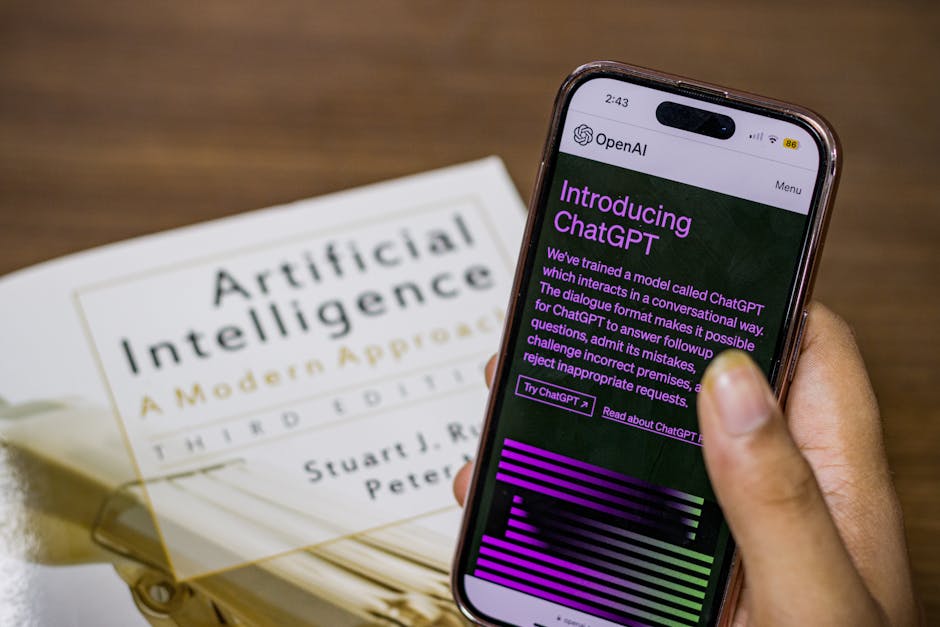
Understanding the Technology
Artificial intelligence, particularly tools like ChatGPT, operates on vast data sets and algorithms to generate human-like responses. As powerful as these tools are, their capabilities are still limited by how they are programmed and deployed.
The Role of ChatGPT in the Incident
- ChatGPT’s Functionality: ChatGPT is designed to engage in text-based conversations, assist with generating creative content, and provide informational responses. However, its ability to identify and act upon malicious or dangerous behavior is limited.
- Allegations: In this case, it’s alleged that OpenAI’s platform had insight into a user’s harmful intentions but did not alert law enforcement. This raises important ethical questions about the obligations of AI companies.
The Broader AI Landscape
- Benefits of AI Tools: Tools like AI Writer and AI Chatbot have enabled users to enhance productivity, generate content, and solve complex problems. However, the misuse of such tools can lead to significant ethical challenges.
- Ethical Concerns: Can AI systems be trusted to handle sensitive information responsibly? Should companies bear the responsibility for user actions?
Impact on Developers and Tools
This case has broader implications that reach beyond OpenAI. Developers and organizations leveraging AI tools must consider how these technologies are deployed and monitored, especially in sensitive contexts.
For Individual Developers
The lawsuit underscores the need for developers to prioritize ethical AI development. Individual developers can use tools like Code Generator to streamline their coding process while embedding security measures that prevent misuse.
- Focus on transparency in algorithm design.
- Use AI testing frameworks to identify potential loopholes.
- Incorporate ethical guidelines while programming AI systems.
For Teams and Organizations
For larger teams and organizations, this incident serves as a wake-up call to implement robust safeguards and regulatory measures.
- Establish protocols for monitoring AI activity and flagging risky behavior.
- Collaborate with regulatory bodies and law enforcement when necessary.
- Use collaborative tools like AI Writer to ensure clear documentation and communication.

Practical Applications
While this news highlights the challenges, it also opens the door to practical solutions for developers and users alike.
How to Build Ethical AI Solutions
- Step 1: Incorporate ethical guidelines in AI development. Use Toolify’s Code Generator to build secure and compliant code.
- Step 2: Conduct regular audits to identify potential vulnerabilities in your AI systems.
- Step 3: Use AI tools like AI Chatbot to simulate various scenarios and test for ethics compliance.
Leveraging Toolify Tools for Responsible AI
With over 283 online tools, Toolify Studio offers resources to make AI development safer and more efficient. For instance:
- AI Writer: Generate clear policy documents and ethical use guidelines.
- Code Generator: Create secure and reliable code for your projects.
- Data Analysis Tools: Analyze large datasets to identify and mitigate risks in real-time.

Tools That Can Help
Building ethical AI and adhering to regulations is not an easy task, but there are tools that can help streamline the process:
- AI Writer: Create training materials, ethical guidelines, and documentation.
- AI Chatbot: Role-play scenarios to develop AI models that can detect harmful behavior.
- Code Generator: Write error-free code while prioritizing secure and ethical programming practices.
Conclusion and Next Steps
The OpenAI lawsuit serves as a stark reminder of the responsibilities that come with creating and using AI tools. While these technologies have immense potential to revolutionize industries, developers and organizations must remain vigilant about their ethical and societal impact.
As we navigate this complex landscape, platforms like Toolify Studio empower developers, teams, and organizations with the right tools to build better, safer, and more productive solutions. Take proactive steps today by exploring Toolify Tools to ensure your AI projects uphold the highest standards of integrity and safety.
🔧Try These Related Tools
Discover More Functional Tools
Explore our collection of 382+ working online tools. No signup required, instant results.
Browse All Tools→📚Related Articles

Agile Robots Partners with Google DeepMind: Tech Impact
Discover how Agile Robots' collaboration with Google DeepMind is set to revolutionize robotics using AI foundation models, and explore how Toolify Tools can assist developers in leveraging this tech wave.
Air Canada CEO Summoned Over English-Only Video: Tech Analysis
Air Canada CEO faces scrutiny for an English-only condolence video. Discover how technology, AI tools, and productivity solutions from Toolify Studio can help tackle similar challenges.

RAKEZ Boosts Business Sales Strategies With Tech Innovations
RAKEZ is empowering businesses with insights into sales strategies while highlighting how tools like AI Writer and Code Generator from Toolify Studio can enhance productivity and innovation.