
Nvidia DLSS 5: A Game-Changer or a Step Too Far?
Nvidia's DLSS 5 claims to redefine gaming with AI-driven photorealism, but not all gamers are on board. Explore the tech, its impact, and how tools like Toolify Studio can help developers adapt to this innovation.
Introduction: What This Means for Users
Nvidia has once again pushed the boundaries of gaming technology with the release of DLSS 5, an AI-driven graphics enhancement technology that promises to bring unprecedented levels of photorealism to video games. However, this groundbreaking innovation hasn’t been universally welcomed by the gaming community, sparking a heated debate over whether Nvidia has gone too far.
For users and developers alike, the rise of AI in gaming is both exciting and daunting. With tools like the AI Writer and AI Chatbot from Toolify Studio, it's becoming increasingly clear that artificial intelligence is reshaping not just how we play games, but how we create them. Let’s dive deeper into what DLSS 5 is, its implications, and how Toolify tools can help both players and developers navigate this rapidly evolving landscape.

Understanding the Technology
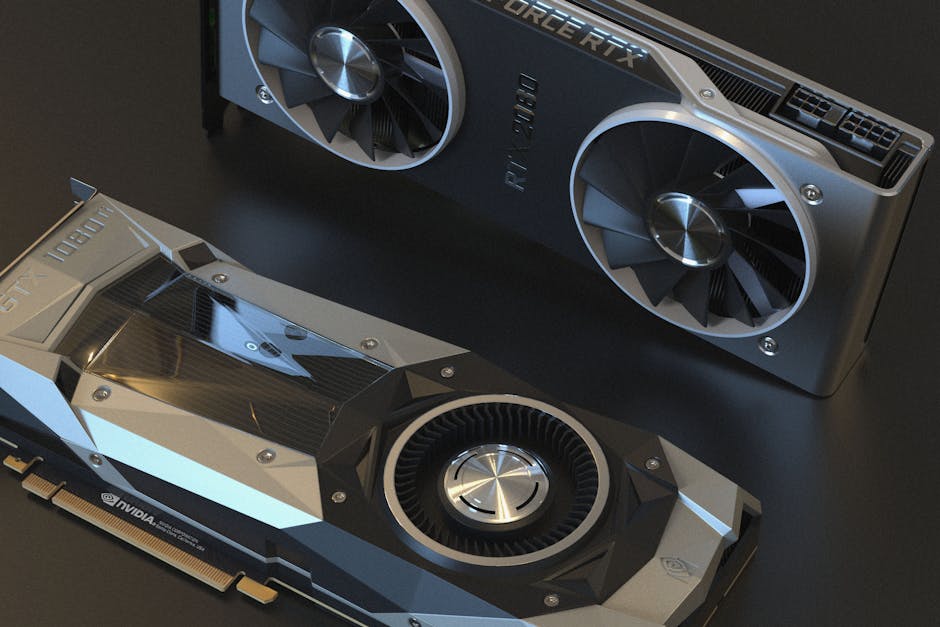
DLSS, or Deep Learning Super Sampling, is Nvidia’s AI-powered rendering technology that enhances gaming performance by using neural networks to create smoother, higher-resolution images while reducing the strain on hardware.
- Key Point 1: DLSS 5 takes this a step further by employing advanced machine learning algorithms to adjust a game’s look in real-time, aiming to achieve lifelike graphics.
- Key Point 2: By leveraging dedicated AI Tensor Cores in Nvidia GPUs, DLSS 5 can render images at lower resolutions and upscale them to higher resolutions without significant loss of quality. This allows for improved gaming experiences on less powerful hardware.
While the technology sounds promising, many gamers have raised concerns about the “AI overreach” in DLSS 5, citing issues with realism and a perceived loss of artistic integrity. The main question remains: does DLSS 5 improve gaming, or does it take away from the organic design crafted by game developers?
Impact on Developers and Tools
The introduction of DLSS 5 has far-reaching implications for game developers and tool creators. On one hand, it provides game studios with advanced tools to enhance graphics without pushing the limits of hardware. On the other, it requires developers to adapt to a new AI-driven paradigm, which could introduce challenges.
For Individual Developers
Independent developers, particularly those working on smaller projects, may find it daunting to optimize their games for DLSS 5. However, AI tools like the Code Generator from Toolify Studio can simplify the process. This tool helps developers write optimized code to support advanced technologies like DLSS, reducing the learning curve significantly.
- Benefit 1: Developers can use AI tools to generate efficient, DLSS-compatible code.
- Benefit 2: Toolify’s AI Writer can be used to draft detailed documentation or marketing material for games enhanced by DLSS 5.
For Teams and Organizations
For larger game studios, DLSS 5 offers a chance to push the boundaries of graphical fidelity. However, integrating this technology into existing workflows may require significant adjustments. Teams can leverage Toolify Studio’s suite of tools to streamline communication and development.
Practical Applications
The potential applications of DLSS 5 extend beyond gaming. Here are some real-world examples of how this technology could be utilized:
- Game Development: DLSS 5 can be used to create hyper-realistic game environments with fewer hardware requirements. Developers can utilize Toolify’s Code Generator to quickly integrate this technology into their projects.
- Virtual Reality (VR): VR experiences rely heavily on smooth and immersive visuals. DLSS 5 could make high-quality VR experiences more accessible by reducing the hardware demands.
- 3D Modeling and Animation: AI-driven upscaling can help animators and 3D artists create stunning visuals while working on less powerful machines, enabling faster prototyping and production.
Tools That Can Help
Adapting to new technologies like DLSS 5 doesn’t have to be overwhelming. Toolify Studio offers a range of tools to support developers and creators during this transition:
- AI Writer: Generate engaging articles, game descriptions, and tutorials for your audience.
- Code Generator: Simplify the process of integrating cutting-edge technologies like DLSS 5 into your projects.
- AI Chatbot: Create an interactive customer support chatbot for your gaming platform.
These tools not only save time but also enable developers to focus on innovation and creativity.

Conclusion and Next Steps
Nvidia’s DLSS 5 undoubtedly represents a significant leap forward in gaming technology. While it has sparked debates in the gaming community, it’s clear that the integration of AI into graphics rendering is here to stay. Developers and users alike can adapt to these changes with the help of powerful tools like those offered by Toolify Studio.
If you’re a developer or a gamer curious about how AI can reshape your workflow, now is the perfect time to explore Toolify Tools. From AI-powered code generation to smart content creation, we have everything you need to stay ahead in this tech-driven world.
🔧Try These Related Tools
Discover More Functional Tools
Explore our collection of 382+ working online tools. No signup required, instant results.
Browse All Tools→📚Related Articles

Agile Robots Partners with Google DeepMind: Tech Impact
Discover how Agile Robots' collaboration with Google DeepMind is set to revolutionize robotics using AI foundation models, and explore how Toolify Tools can assist developers in leveraging this tech wave.
Air Canada CEO Summoned Over English-Only Video: Tech Analysis
Air Canada CEO faces scrutiny for an English-only condolence video. Discover how technology, AI tools, and productivity solutions from Toolify Studio can help tackle similar challenges.

RAKEZ Boosts Business Sales Strategies With Tech Innovations
RAKEZ is empowering businesses with insights into sales strategies while highlighting how tools like AI Writer and Code Generator from Toolify Studio can enhance productivity and innovation.