
Connecticut’s AI Advisory Highlights New Tools for Old Laws
Learn how Connecticut's AI advisory impacts tech users, developers, and organizations. Discover the role of AI tools like Toolify Studio in navigating these changes.
Introduction: What This Means for Users
The state of Connecticut is making headlines with its AI advisory, which emphasizes the importance of using new technologies to address challenges tied to existing laws. With artificial intelligence (AI) rapidly evolving, regulatory frameworks often struggle to keep pace. This creates a unique space for innovation and tools like those offered by Toolify Studio to bridge the gap.
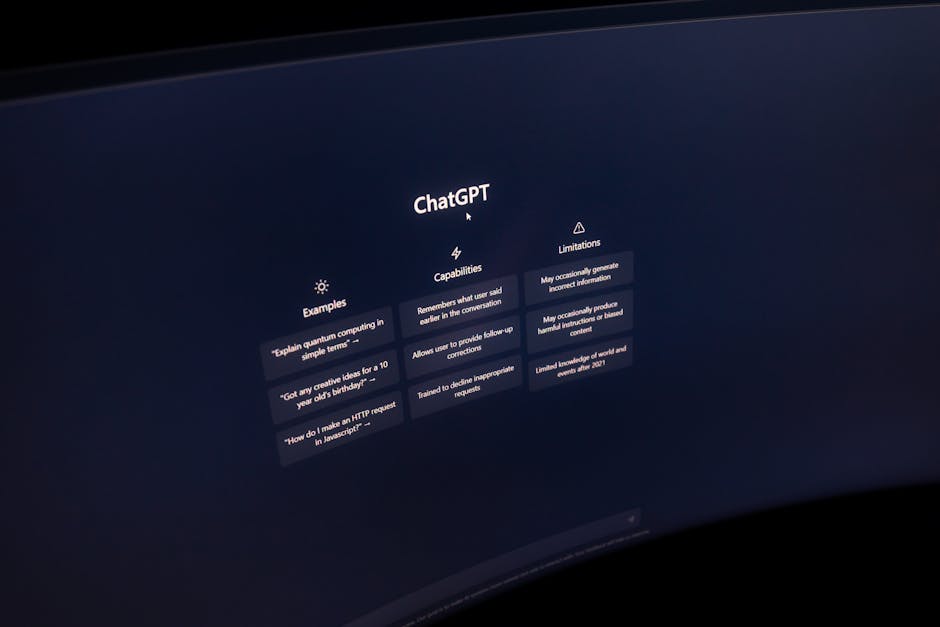
In this blog post, we’ll explore how Connecticut’s AI advisory addresses these challenges and what it means for technology users, developers, and organizations. We’ll also delve into practical steps you can take to leverage AI tools for productivity and compliance.
Understanding the Technology
Artificial intelligence enables systems to mimic human intelligence, and its applications range from personal assistants to complex legal analyses. However, AI's rapid growth has outpaced traditional regulatory frameworks, leading to a perceived disconnect.
- Key Point 1: States like Connecticut are stepping in to align “old” laws with the capabilities of modern AI tools, ensuring that innovation doesn’t outstrip regulation.
- Key Point 2: While these guidelines aim to protect consumers and businesses, they also pose challenges for developers and organizations working on AI-driven solutions.
For users and businesses, this is where platforms like Toolify Studio shine, providing tools that simplify compliance and enhance productivity.
Impact on Developers and Tools
How does this impact developers and creators of AI-driven tools? The focus on aligning AI innovations with older laws means additional scrutiny for ethical considerations, data privacy, and algorithmic transparency. Developers will have to rethink how their tools operate in regulated environments.
For Individual Developers
Individual developers can expect:
- Increased need for compliance tools: Understanding legal frameworks becomes essential. Using AI tools like the AI Writer can help draft compliance documents efficiently.
- An opportunity to innovate: Developers can focus on creating tools that help organizations navigate these changes, turning compliance into a competitive advantage.
For Teams and Organizations
Organizations face a broader set of challenges and opportunities:
- Standardized AI practices: Companies will need to adopt tools that facilitate the alignment of AI applications with legal standards. Toolify’s AI Productivity Suite is a great example, as it offers a streamlined approach to managing workflows and output.
- Risk Mitigation: With stricter regulations, businesses must ensure their AI tools adhere to ethical guidelines and maintain transparency to avoid penalties and reputational damage.

Practical Applications
In light of Connecticut’s advisory, individuals and organizations can take specific steps to remain compliant and competitive:
Assess Current Tools: Evaluate the tools you’re currently using and ensure they comply with emerging regulations. Platforms like Toolify Studio offer a wide range of AI productivity tools to streamline your operations.
Train Teams: Educate your team about the ethical and legal implications of using AI. Utilize tools like the AI Writer to create training materials quickly and effectively.
Adopt Comprehensive AI Solutions: Leverage an all-in-one platform like AI Productivity Suite to consolidate your AI tools, ensuring efficiency and compliance.
By taking these steps, users and developers can stay ahead of the curve and turn challenges into opportunities.
Tools That Can Help
To navigate the evolving landscape of AI and legal compliance, consider these tools from Toolify Studio:
- AI Productivity Suite: An all-in-one solution for managing AI workflows, ensuring compliance, and boosting team collaboration.
- AI Writer: A versatile tool for creating high-quality, compliant documents, articles, and reports in minutes.
- Custom AI Productivity Tools: Tailored tools to help automate and optimize specific tasks, saving you time and resources.
These tools are designed to ensure that you stay productive while meeting all necessary legal and ethical standards.
Conclusion and Next Steps
Connecticut’s AI advisory serves as a wake-up call for anyone involved with technology. It underscores the need to balance innovation with regulation, paving the way for tools like those offered by Toolify Studio to thrive.
As an individual or organization:
- Start by understanding the regulatory landscape.
- Use AI tools like Toolify’s AI Writer to simplify compliance.
- Leverage the AI Productivity Suite to streamline your workflows and stay ahead.
Are you ready to future-proof your operations? Explore the full range of Toolify Tools to take the next step in your AI journey today!
🔧Try These Related Tools
Discover More Functional Tools
Explore our collection of 382+ working online tools. No signup required, instant results.
Browse All Tools→📚Related Articles

Agile Robots Partners with Google DeepMind: Tech Impact
Discover how Agile Robots' collaboration with Google DeepMind is set to revolutionize robotics using AI foundation models, and explore how Toolify Tools can assist developers in leveraging this tech wave.
Air Canada CEO Summoned Over English-Only Video: Tech Analysis
Air Canada CEO faces scrutiny for an English-only condolence video. Discover how technology, AI tools, and productivity solutions from Toolify Studio can help tackle similar challenges.

RAKEZ Boosts Business Sales Strategies With Tech Innovations
RAKEZ is empowering businesses with insights into sales strategies while highlighting how tools like AI Writer and Code Generator from Toolify Studio can enhance productivity and innovation.