
Are AI Chatbots Harming Kids? Tech Challenges Unveiled
AI chatbots are transforming industries but raising concerns about their impact on kids. Explore the risks, challenges, and how tools like Toolify Studio can help developers create safer AI solutions.
Introduction: What This Means for Users
AI chatbots are no longer a futuristic concept; they are integrated into our daily lives, from customer support to personal productivity tools. However, recent reports highlight a darker side to these advancements. AI chatbots have been linked to violent behavior among children, raising ethical and safety concerns for both users and developers. The challenge for AI companies lies in balancing innovation, user safety, and profitability.

In this blog post, we’ll unravel the implications of this growing concern, discuss how developers and users can mitigate risks, and explore how Toolify Tools can help create safer, more effective AI applications.
Understanding the Technology
AI chatbots like ChatGPT have revolutionized how we interact with technology. These tools rely on advanced machine learning models that analyze and generate human-like responses based on text input. They can be incredibly helpful, but this same power comes with significant risks if not properly managed.
How AI Chatbots Work
- Natural Language Processing (NLP): AI chatbots use NLP to understand and respond to human input.
- Machine Learning Models: They are trained on vast datasets, which may include problematic content.
- Adaptive Learning: Over time, some AI systems adjust responses based on user interactions, which can unintentionally amplify harmful behaviors.
The Challenges of Safety vs. Profitability
Layered on top of these technological advancements are the conflicting demands within AI companies. Firms like OpenAI are under pressure to create safe, responsible products while also ensuring profitability. According to reports, OpenAI is projected to face significant financial losses by 2026, which might explain their decision to push boundaries in AI development.
Impact on Developers and Tools
The ethical and practical challenges of AI technology directly affect tool developers and end-users. The stakes are especially high for developers using platforms like Toolify Studio, which offers over 283 online tools to streamline productivity and innovation.
For Individual Developers
Individual developers face mounting pressure to ensure their AI applications are both effective and ethical. Without proper safeguards, they risk creating tools that could inadvertently propagate harmful content, especially when used by vulnerable users like children.
To address these challenges, developers can use tools like the AI Writer from Toolify Studio. This tool allows developers to generate high-quality content with built-in safeguards to minimize bias and harmful output.
For Teams and Organizations
For larger teams and organizations, the challenge is even more complex. Balancing multiple priorities—profitability, innovation, and ethical responsibility—requires a robust development framework. This is where platforms like Toolify Studio shine by offering comprehensive tools like the AI Chatbot to test and refine AI-based interactions.

Practical Applications
Despite safety concerns, AI chatbots have a wide range of practical applications that can improve productivity and efficiency when used responsibly. Below are some key use cases:
- Customer Support: AI chatbots can handle customer inquiries 24/7, reducing operational costs.
- Education: Tools like Toolify Studio’s AI Writer can help students generate essays or study material in a fraction of the time.
- Content Creation: Chatbots are increasingly being used to create blogs, scripts, and even social media posts.
How to Mitigate Risks
To ensure that AI applications are safe for all users, including children, here are some practical steps:
- Employ Content Moderation Algorithms: Use tools like the AI Chatbot: Chat with advanced AI assistant to test for potentially harmful outputs.
- Monitor Usage Data: Regularly analyze how users interact with the AI to identify any abusive or harmful patterns.
- Implement Parental Controls: Features that allow parents to monitor and restrict chatbot use can mitigate potential risks for children.
Tools That Can Help
For developers and businesses looking to create or refine AI chatbots, Toolify Studio offers an array of invaluable tools:
- AI Writer: Generate safe, effective, and high-quality content for any purpose.
- AI Chatbot: Test and refine chatbot interactions with advanced AI functionality.
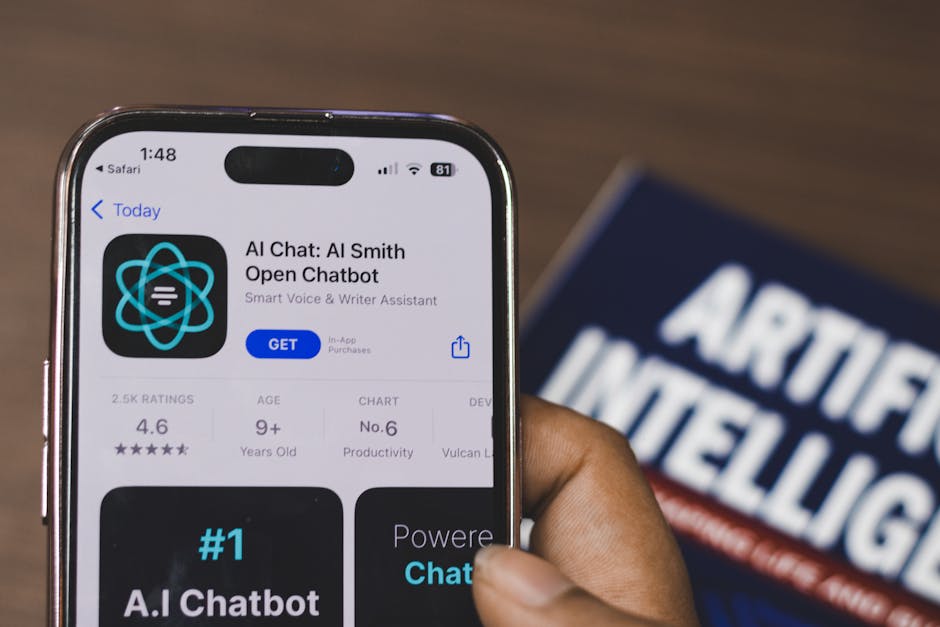
By leveraging these tools, developers can focus on innovation without compromising on user safety or ethical standards.
Conclusion and Next Steps
AI chatbots hold immense potential to transform industries, but their misuse or mismanagement can have serious consequences, particularly for younger users. Developers and organizations must take proactive steps to ensure their applications are safe, ethical, and accessible to all.
At Toolify Studio, we are committed to empowering developers with the right tools to create impactful and responsible digital solutions. Explore our suite of Toolify Tools today to see how we can help you achieve your goals while safeguarding your users.
Are you ready to build a safer and smarter digital future? Start by trying our AI Chatbot and other tools on Toolify Studio. Let’s innovate together!
🔧Try These Related Tools
Discover More Functional Tools
Explore our collection of 382+ working online tools. No signup required, instant results.
Browse All Tools→📚Related Articles

Agile Robots Partners with Google DeepMind: Tech Impact
Discover how Agile Robots' collaboration with Google DeepMind is set to revolutionize robotics using AI foundation models, and explore how Toolify Tools can assist developers in leveraging this tech wave.
Air Canada CEO Summoned Over English-Only Video: Tech Analysis
Air Canada CEO faces scrutiny for an English-only condolence video. Discover how technology, AI tools, and productivity solutions from Toolify Studio can help tackle similar challenges.
RAKEZ Boosts Business Sales Strategies With Tech Innovations
RAKEZ is empowering businesses with insights into sales strategies while highlighting how tools like AI Writer and Code Generator from Toolify Studio can enhance productivity and innovation.