
AI Conversations Lose Attorney-Client Privilege Protection
A federal judge has ruled that attorney-client privilege does not extend to conversations with AI, sparking crucial questions for developers, users, and legal professionals alike. Discover its implications and how Toolify tools can enhance productivity.
Introduction: What This Means for Users
The recent ruling by a federal judge that attorney-client privilege does not cover AI conversations marks a pivotal moment in the intersection of technology and law. As AI tools like advanced chatbots and writers become integral in both professional and personal domains, the legal implications of these interactions cannot be understated.
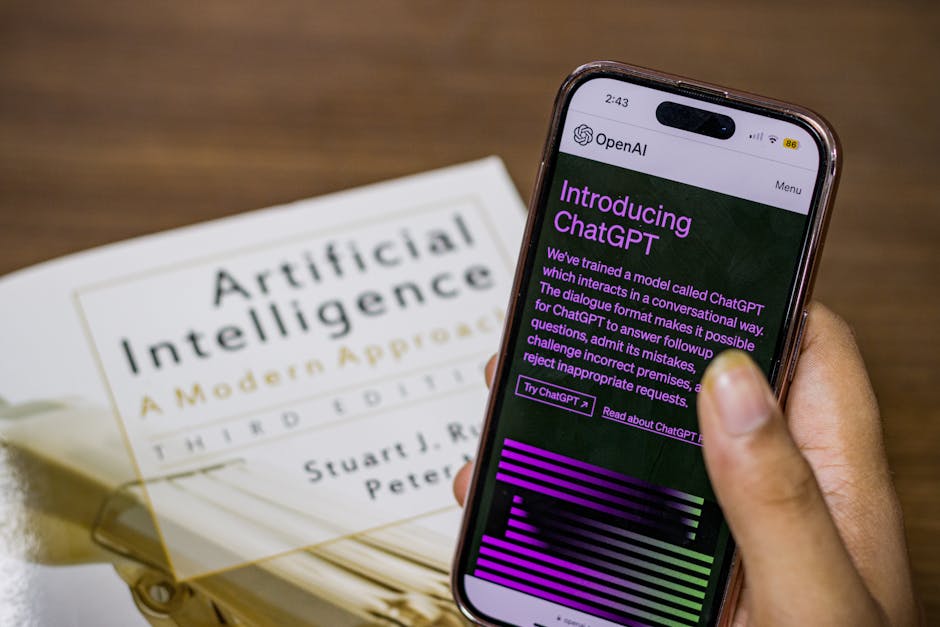
For users and developers leveraging AI for sensitive communications, this decision raises concerns about data privacy, accountability, and compliance. Whether you’re a lawyer consulting your AI chatbot for drafting legal briefs or a developer building AI models for professional use, understanding this ruling is essential.
Understanding the Technology
AI tools like chatbots and writers have made tremendous strides in productivity and efficiency. However, this ruling underscores a critical limitation: AI cannot be considered a confidential intermediary under attorney-client privilege.
- Key Point 1: Attorney-client privilege traditionally protects confidential exchanges between an attorney and their client. This protection ensures sensitive information remains secure.
- Key Point 2: Conversations with AI bypass this protection, as AI systems are not legally recognized as secure entities capable of maintaining confidentiality.
This scenario underscores the need for professionals to evaluate what information they share with AI tools and how these tools handle data. Platforms like Toolify Studio offer AI Chatbot, a customizable tool where users can interact with advanced AI assistants while maintaining control over their workflows.
Impact on Developers and Tools
This ruling has significant ramifications for developers and organizations that create or use AI tools in sensitive workflows.
For Individual Developers
For developers building AI models, this is a wake-up call to prioritize data handling practices and transparency:
- Focus on implementing robust data encryption protocols.
- Ensure that systems are compliant with legal and ethical standards.
- Develop user agreements that clarify how data is stored and whether it can be subpoenaed.
By leveraging tools like Code Generator, developers can streamline their coding processes while embedding security features directly into their products. This Toolify tool empowers coders to efficiently create secure algorithms.
For Teams and Organizations
Organizations that adopt AI for internal processes must revisit their compliance and security frameworks in light of this ruling. Key areas to address include:
- Legal review of AI tools used for sensitive data.
- Training employees on new policies regarding AI use in confidential communications.
- Partnering with platforms like Toolify Studio to integrate AI tools responsibly.

Practical Applications
How can users and organizations adapt to this new landscape? Here are three actionable steps:
- Evaluate Current Use of AI Tools: Review how AI is currently utilized in your workflow, particularly when legal or sensitive information is involved.
- Educate Teams on the Risks: Ensure everyone in your organization understands the implications of sharing confidential information through AI platforms.
- Adopt Secure AI Tools: Use platforms like Toolify Studio, which offers AI solutions designed with productivity and security in mind. For example, the AI Writer is ideal for drafting content while keeping sensitive data out of unsecured systems.
Tools That Can Help
Toolify Studio offers a range of online tools tailored for secure, productive workflows. Three standout tools that can help in navigating this new reality include:
- AI Writer: Generate essays, articles, and documents with advanced AI, keeping your content safe and streamlined.
- AI Chatbot: A conversational assistant that integrates seamlessly into your productivity toolkit.
- Code Generator: Build secure, robust code quickly with AI-powered automation.

Conclusion and Next Steps
The ruling that AI conversations are not protected under attorney-client privilege serves as a reminder for users and developers alike to approach AI tools with caution. However, it also opens new avenues for innovation and compliance in tool development.
At Toolify Studio, we understand the importance of empowering users with secure, efficient online tools. Explore our range of Toolify Tools to stay ahead in an evolving digital landscape. Take the next step toward safe, productive AI usage today!
Call-to-action: Start building your AI-powered workflow with Toolify Studio’s advanced tools. Whether you’re looking for a secure chatbot or a reliable code generator, we’ve got you covered. Try Toolify today!
🔧Try These Related Tools
Discover More Functional Tools
Explore our collection of 382+ working online tools. No signup required, instant results.
Browse All Tools→📚Related Articles

Agile Robots Partners with Google DeepMind: Tech Impact
Discover how Agile Robots' collaboration with Google DeepMind is set to revolutionize robotics using AI foundation models, and explore how Toolify Tools can assist developers in leveraging this tech wave.
Air Canada CEO Summoned Over English-Only Video: Tech Analysis
Air Canada CEO faces scrutiny for an English-only condolence video. Discover how technology, AI tools, and productivity solutions from Toolify Studio can help tackle similar challenges.

RAKEZ Boosts Business Sales Strategies With Tech Innovations
RAKEZ is empowering businesses with insights into sales strategies while highlighting how tools like AI Writer and Code Generator from Toolify Studio can enhance productivity and innovation.